Early intervention programme: help your child with autism get ready for primary school
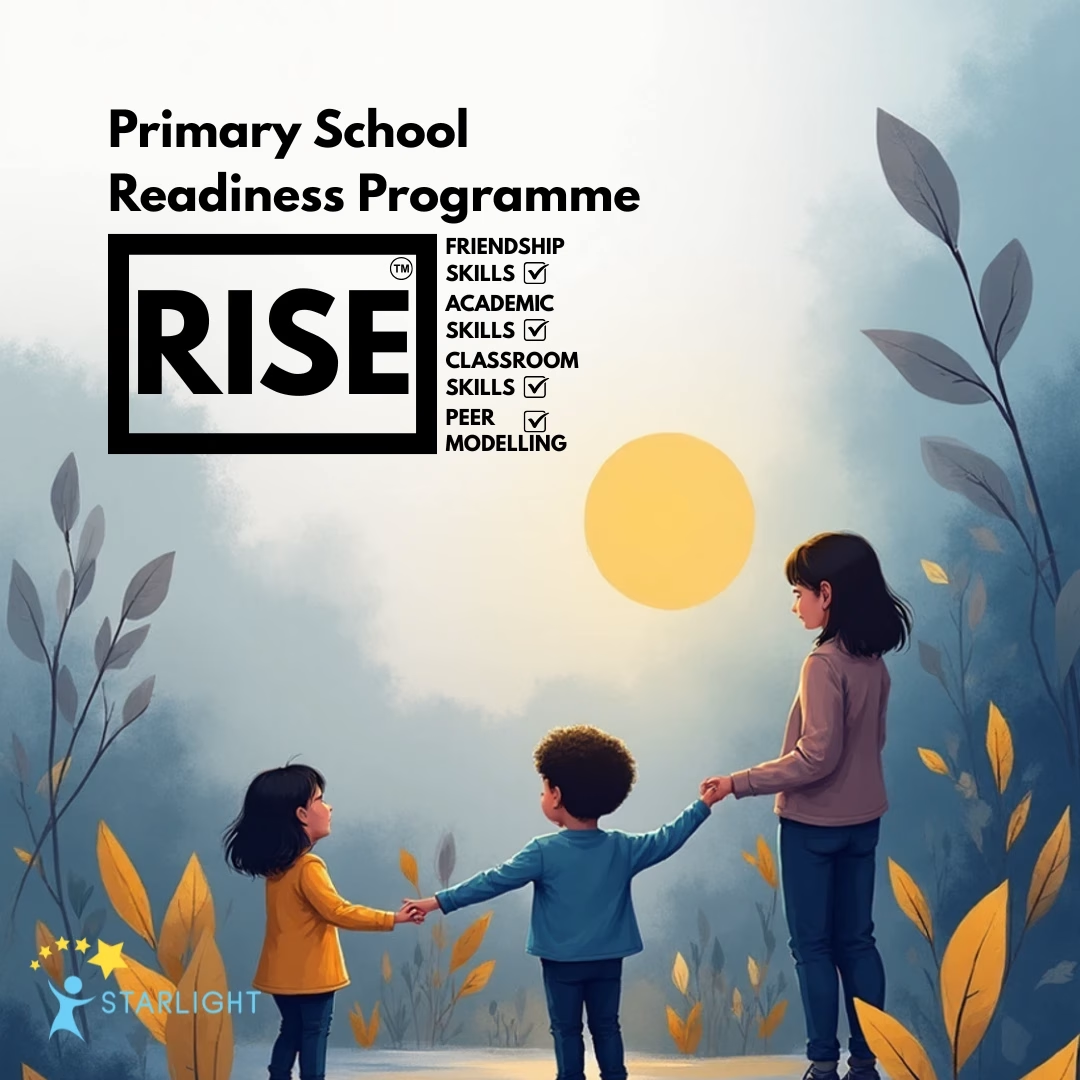
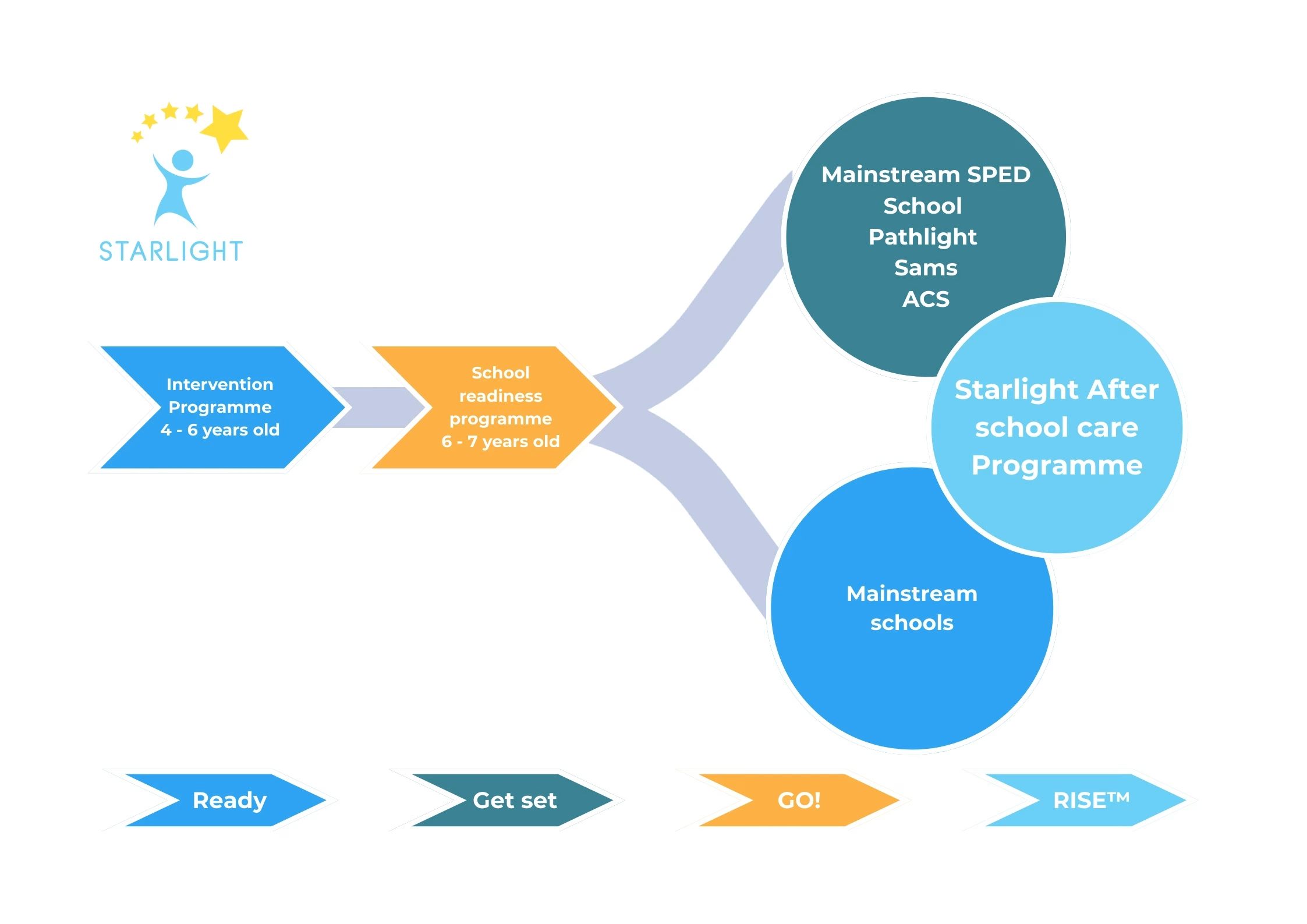
As your child transitions from preschool to primary school, whether in a special education (SPED) or mainstream setting, it can be a stressful experience. The shift from an open-space concept in preschool to a classroom-based learning environment poses challenges.
At Starlight, we initially aimed to address this issue at age seven through our RISE™ early intervention program (RISEIP). However, we soon realised that intervening earlier, during the child’s formative years, allows us to address and resolve these challenges more effectively. The results are consistently better when we start earlier in their development.


3-hours sessions
0900 – 1200

For children aged
4 – 7 years old

2 or 3 times weekly
or Tue/Thu

Monthly
S$840 – S$1,920
RISE™ Early intervention programme
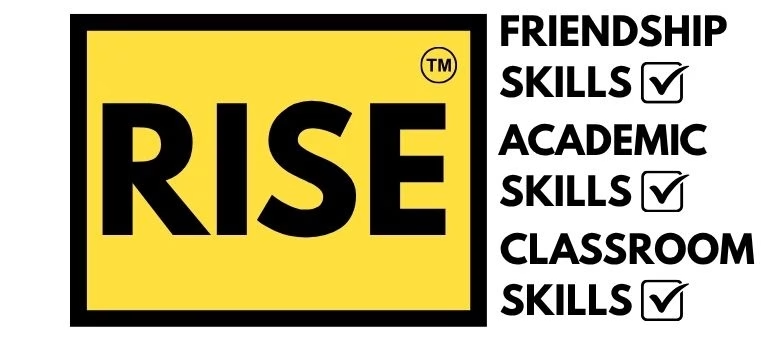

RISE™ Friendship skills
We will actively engage your child in developing emotional and social skills, empowering them to cultivate positive behaviours essential for success in primary school.

RISE ™ Classroom management skills
It is crucial to clearly understand what is expected of your child in a classroom and to model the right behaviours from the seniors to ensure they fully thrive in their learning journey.

Peer modelling
Your child will participate alongside our Starlight after-school programme learners, who are more mature, sociable, well-behaved, and have sufficient skills to perform well in a Pathlight/mainstream environment.

RISE ™ Academic skills
From pencil grips to the essential skills needed for Primary 1, we will ensure that children are well-equipped for their journey into Primary 1.
Our methodology
Intervention Models/Approaches
Our Evidence-Based Foundation: Applied Behaviour Analysis (ABA)
Our intervention model is anchored in the principles of Applied Behavior Analysis (ABA), the gold standard in autism treatment and the only intervention methodology with a substantial body of peer-reviewed, longitudinal evidence proving its efficacy. We utilize a data-driven approach where every behavior is measured, and every intervention is adjusted based on real-time progress. By focusing on the function of behavior, we replace challenges with functional, socially significant skills.
Core Developmental Objectives
While every program is bespoke, our overarching goal is to equip children with a functional skill set that bridges the gap between clinical support and independent community participation. Our ABA-based curriculum targets key developmental domains:
|
Focus Area |
Objective |
|
Communication |
Developing functional verbal and non-verbal systems to express needs and ideas. |
|
Social Integration |
Navigating peer interactions and understanding social nuances in school settings. |
|
Adaptive Living |
Increasing independence in daily routines at home and in the broader community. |
|
Cognitive Flexibility |
Reducing rigid patterns of behavior to foster resilience in changing environments. |

Course headed by Clinical director
Johnny Fok
Board Certified Behavior Analyst (BCBA)
B.A. Psychology, M.Psychology (ABA)
Course headed by Clinical director
Johnny Fok
Board Certified Behavior Analyst (BCBA)
B.A. Psychology, M.Psychology (ABA)
Bio
He has worked in various settings, including local and international schools, mainstreams and special-needs schools, and with clients ranging from early childhood to tertiary education. He provides assessment, consultation, and therapy services to individuals with Autism Spectrum Disorder (ASD), Oppositional Defiance Disorder (ODD), Global Developmental Delay (GDD), and other behavioural concerns. He uses evidence-based behavioural analytic practices and values a warm, fun, and trusting therapeutic relationship with his clients.
He brings more than 20 years of clinical experience in this industry.
Assessment Tools
Rather than a “one-size-fits-all” model, our programs are engineered through a rigorous multi-tool diagnostic process. To find out where your child stands and what he or she needs to thrive, we use these proven assessment methods:
The data from these assessments is synthesised with the family’s aspirations and goals. This ensures that the intervention is not only clinically sound but also socially valid and tailored to the child’s unique ecosystem.
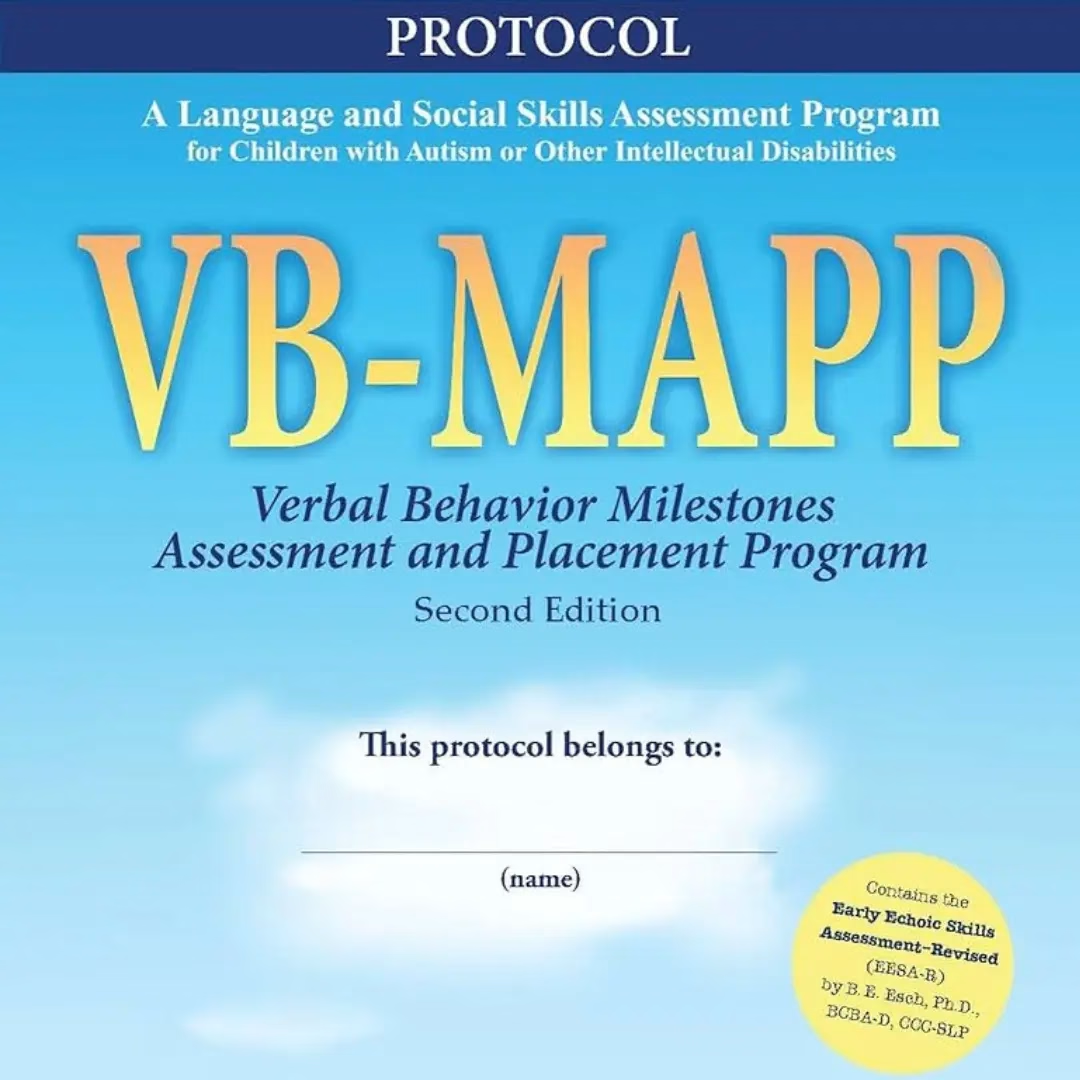
VB-MAPP
To assess language, communication, and social milestones based on the principles of verbal behavior.
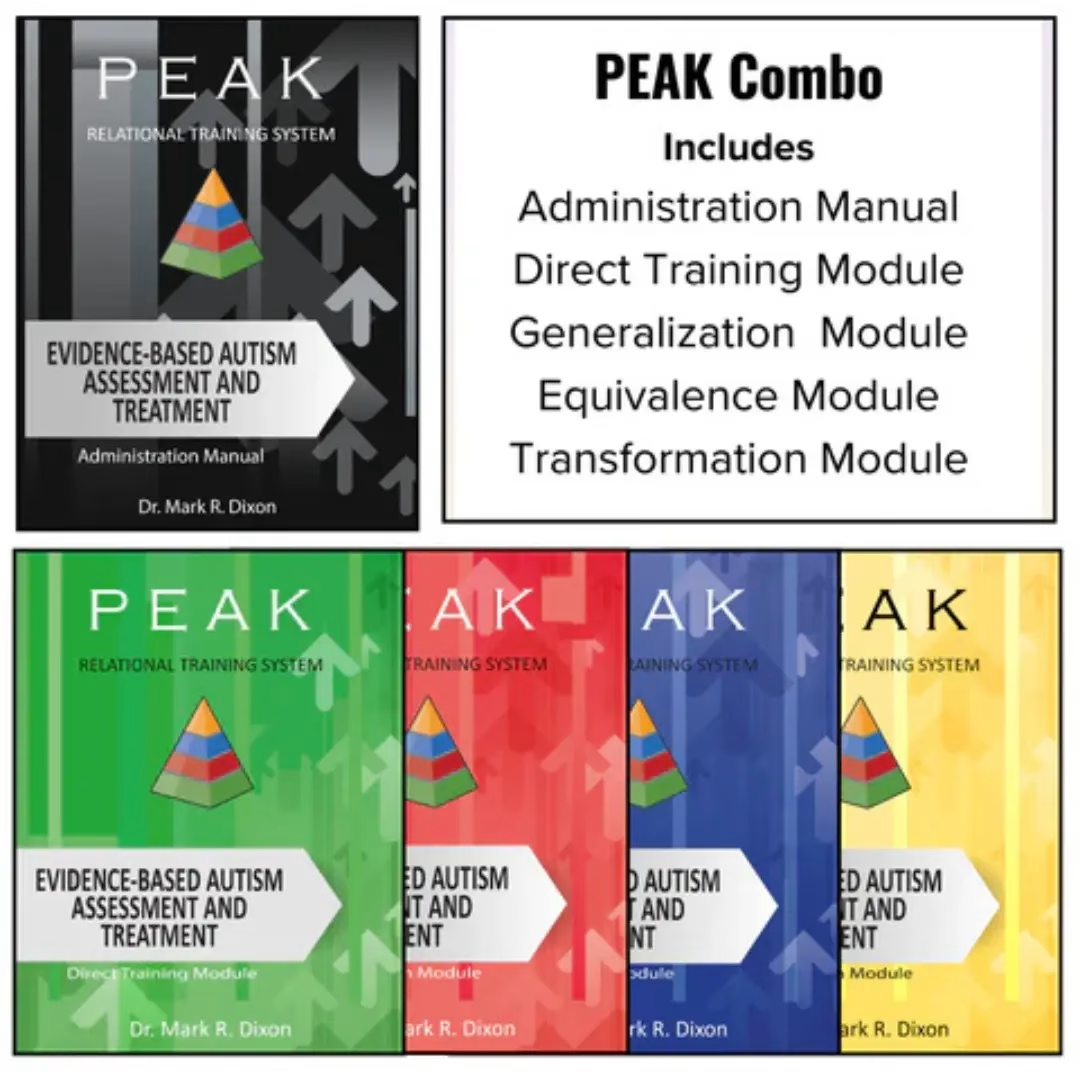
PEAK (Promoting the Emergence of Advanced Knowledge)
To develop complex language, relational framing, and cognition.
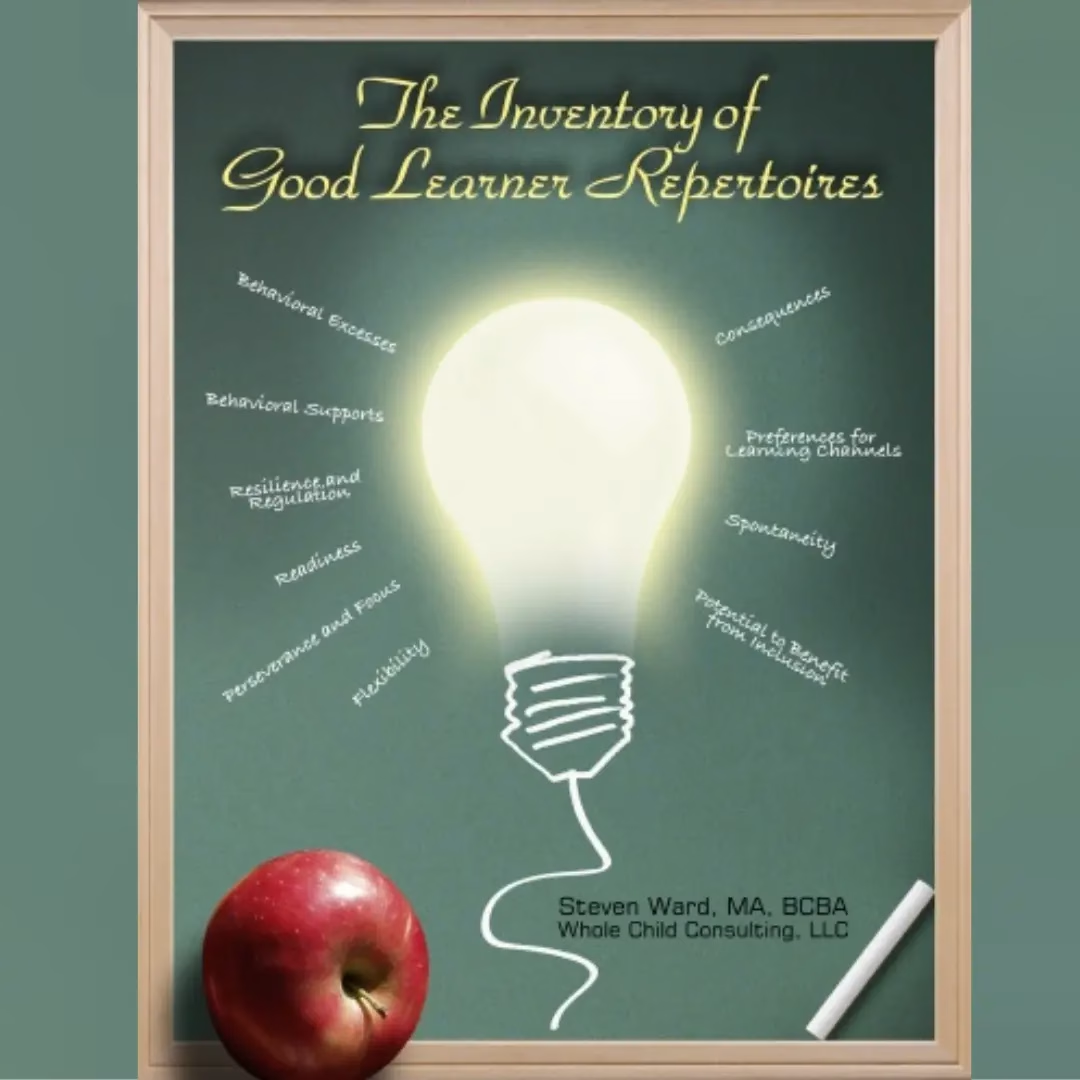
The Inventory of Good Learner Repertoires
To ensure the child has the foundational “learning-to-learn” skills (such as cooperation and attention) necessary for sustained success in a classroom setting.
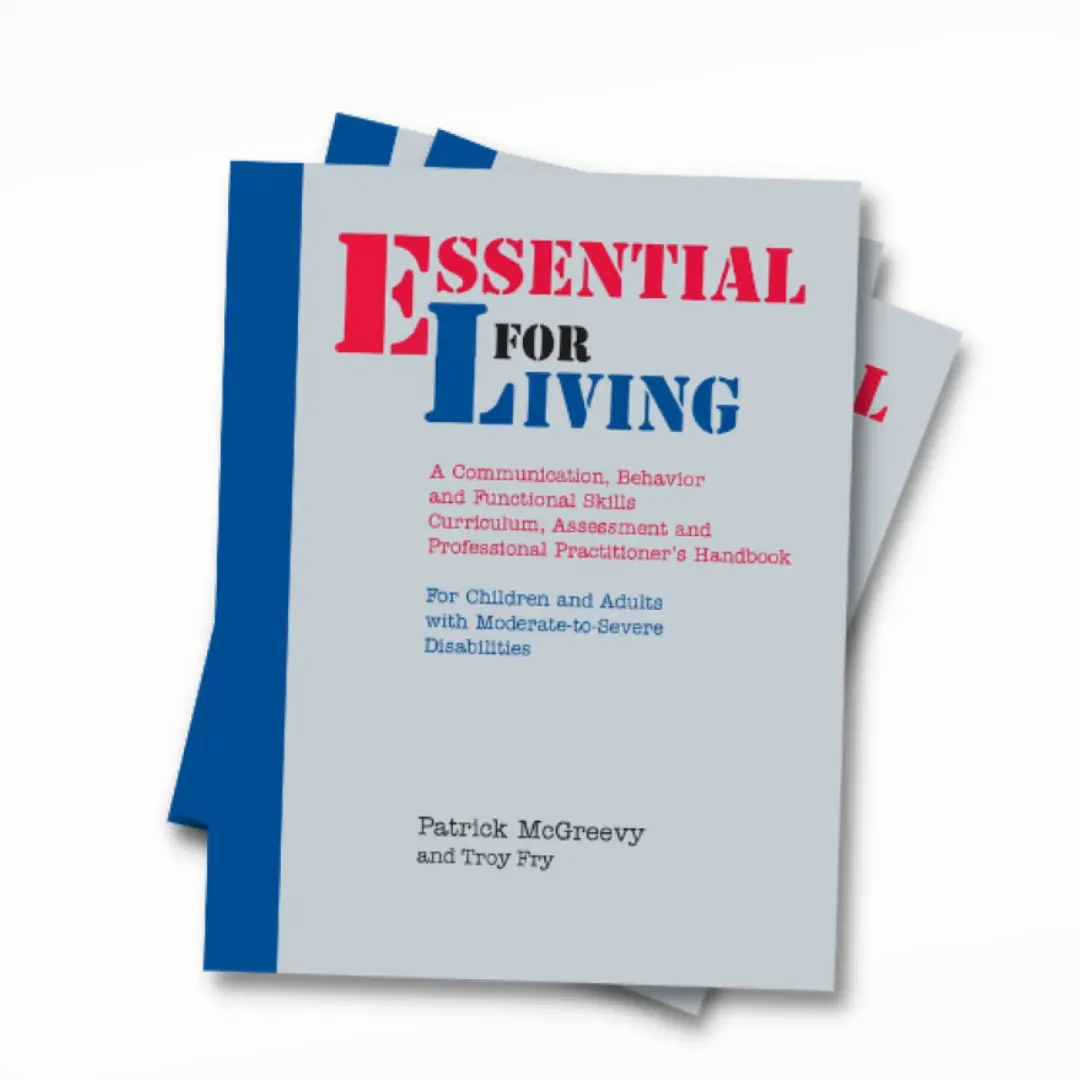
Essential for Living (EFL)
A functional life skills assessment used to identify and teach “must-have” skills (such as safety, self-care, and making requests) essential for daily independence and dignity.
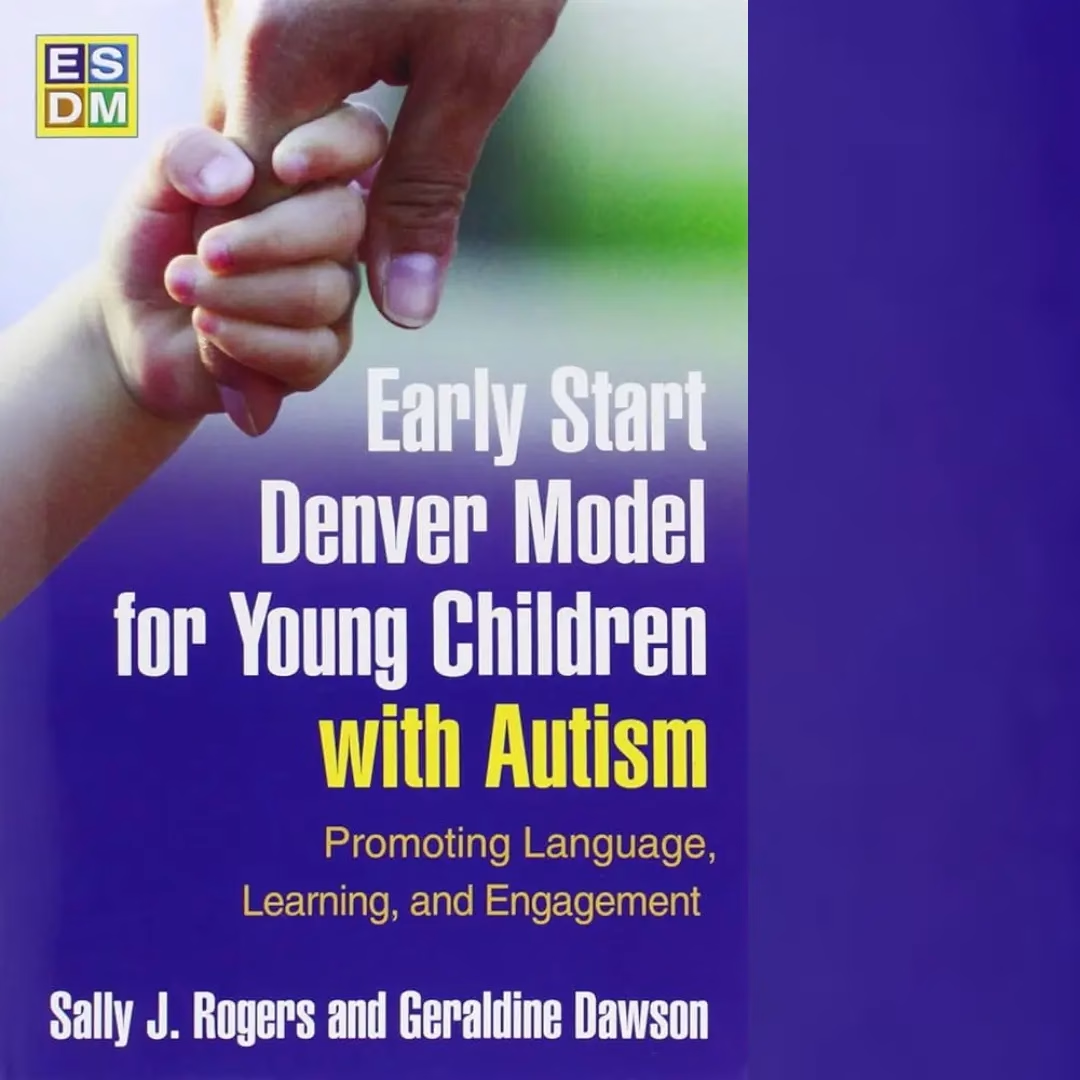
ESDM (Early Start Denver Model)
For intensive, relationship-based early developmental intervention for our youngest learners.
Short videos about us

This shows one of the daily activities we did this week in our student care centre and how we ensure students pay attention in class

During reflection time, we encourage our students to share with us about their day. We introduce a series of exercises to help them identify their own emotions, and over time, they will learn how to express themselves better.

In our daily reflections with our kids, we touch on a sensitive subject: “What is bullying?”. They need to know what constitutes bullying and how to react to it.
Their journey
Explore the inspiring journeys of parents navigating the challenges of raising their child with autism. You are not alone in your journey and you will have a supporting community with Starlight.
The team
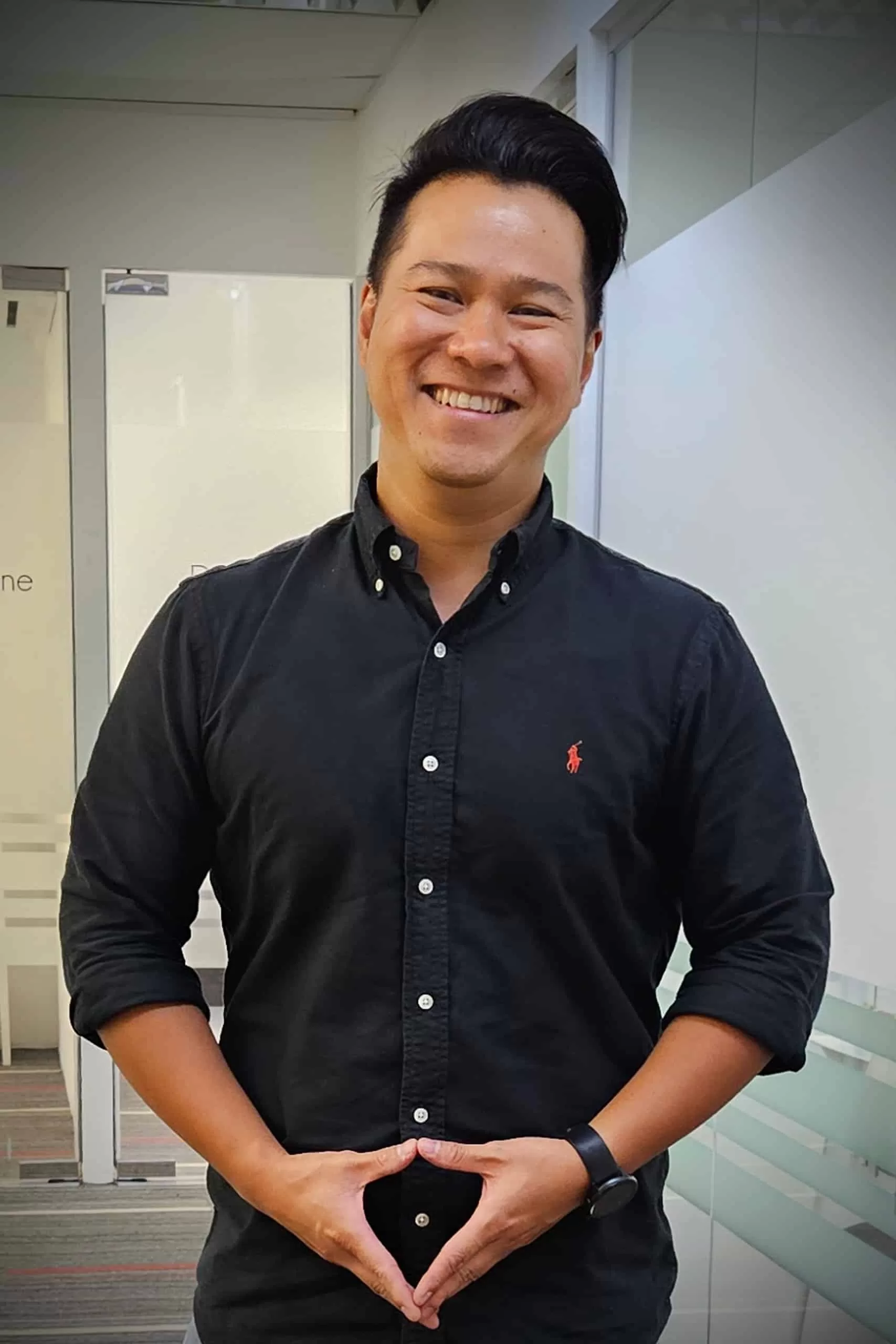
Johnny Fok
Clinical Director
As a clinical director, I prioritise building warm, trusting relationships with clients and recognise families as vital partners in achieving optimal outcomes. I utilise evidence-based practices and strictly adhere to the Behaviour Analyst Certification Board (BACB) ethical standards.
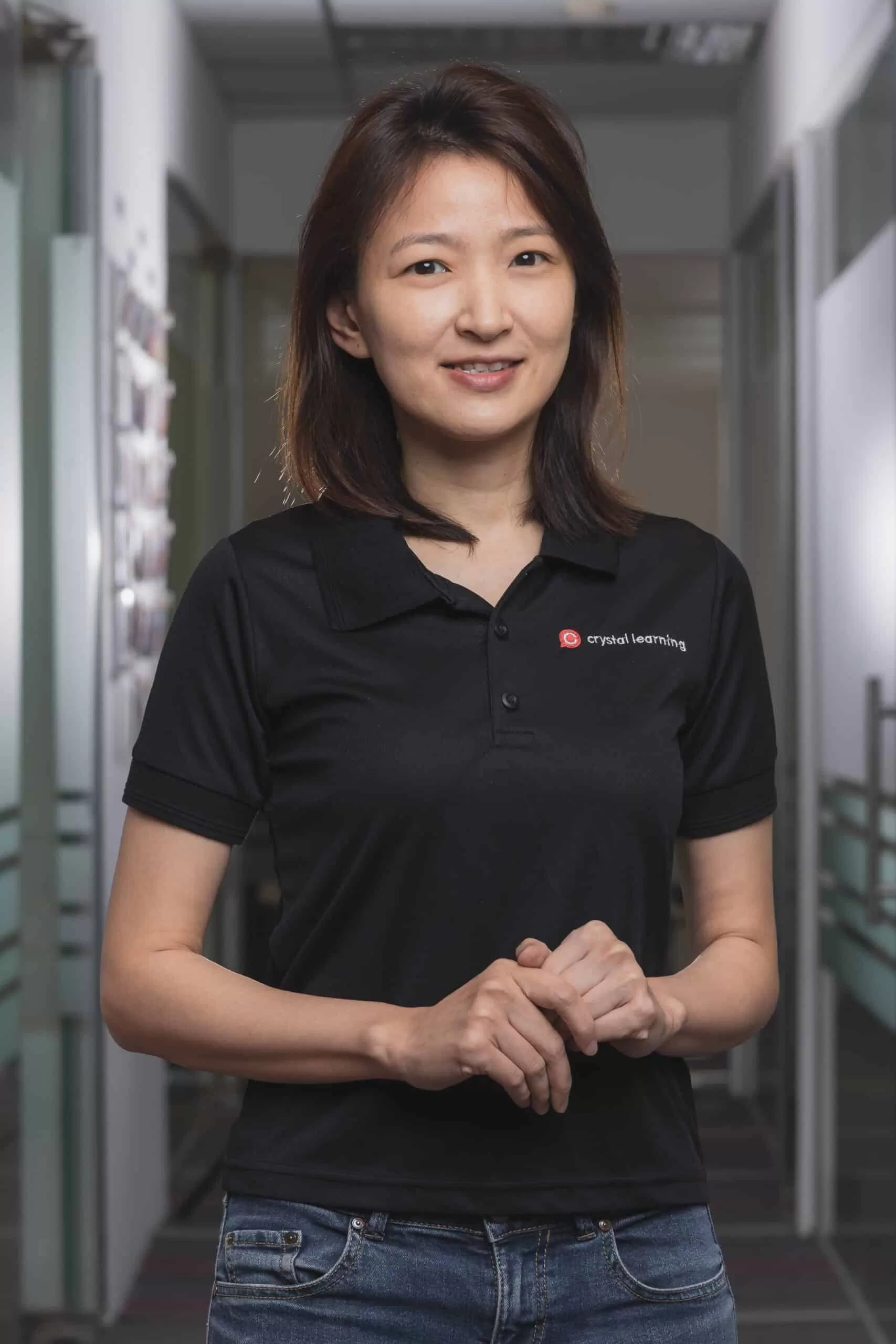
Candy Lee
Centre Manager
As the mum of a child with autism, I know how hard it can be to find a place where your child can thrive. I work to create that place at Starlight every day. It brings great pleasure to me to see kids under our care received quality care and attention that they deserved.
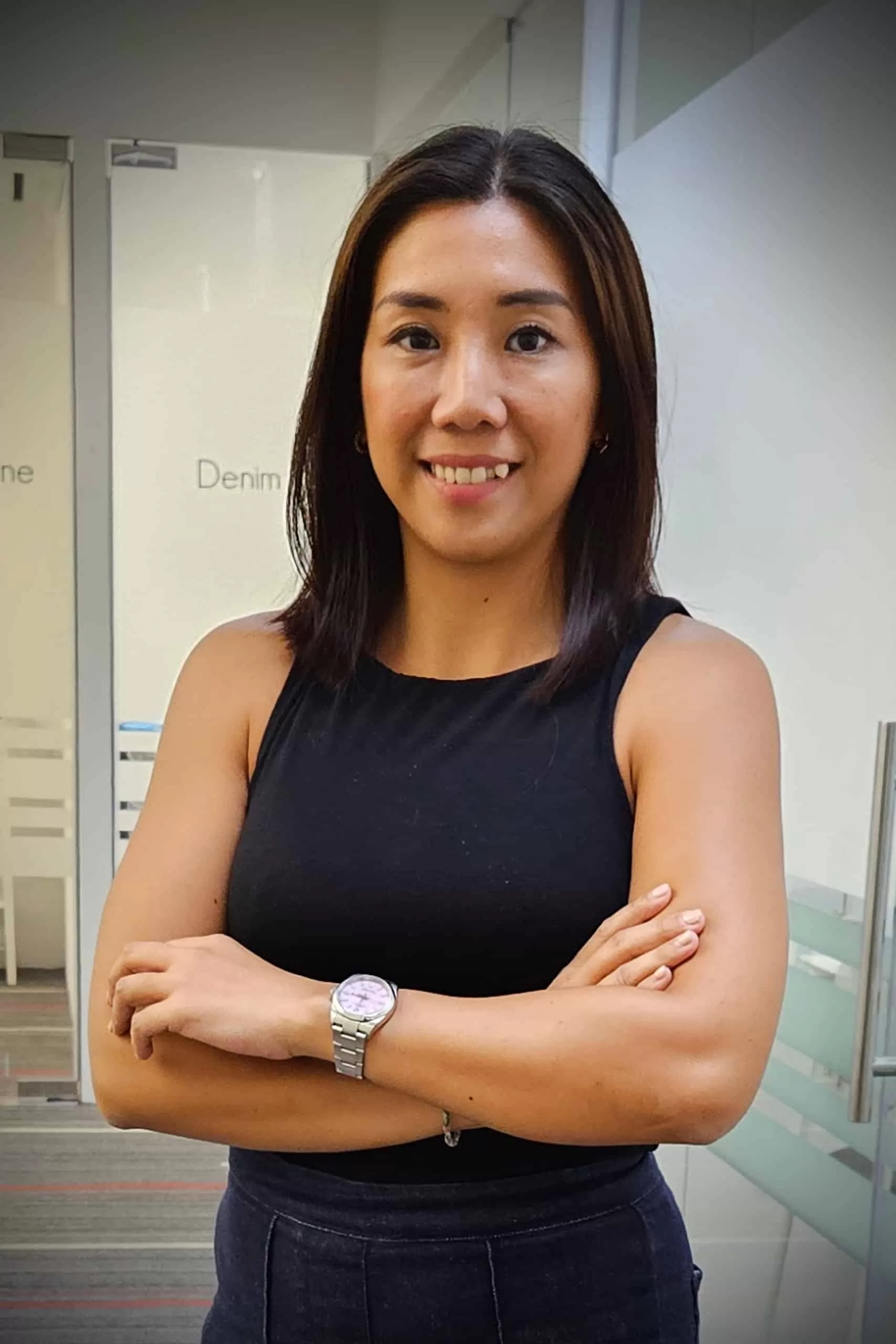
Eve Tang
Head Therapist
As a therapist, my role involves creating a cohesive environment with my Starlight team where collaboration, adaptation, and family partnership are centred on celebrating small wins.
Our success hinges on a family-centred approach that shifts from being a sole "expert" to a collaborative partner with caregivers.
school hours
M-F: 2pm - 6:00pm
20 Kramat Lane #05-05 Singapore 228773
Phone
+65 6589 8582